National Symposium: Professionalizing Educators and Improving Education in the Age of Artificial Intelligence
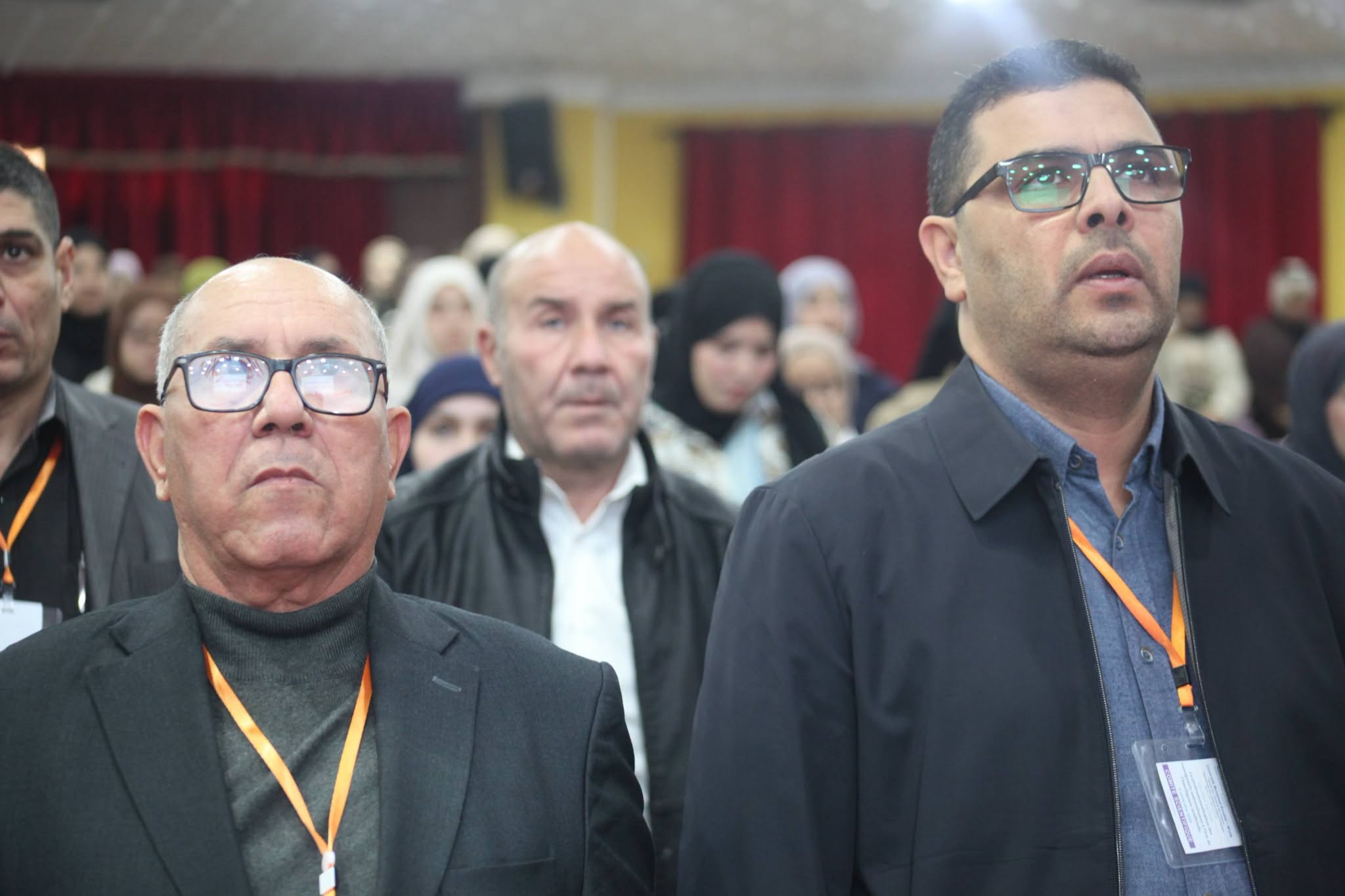
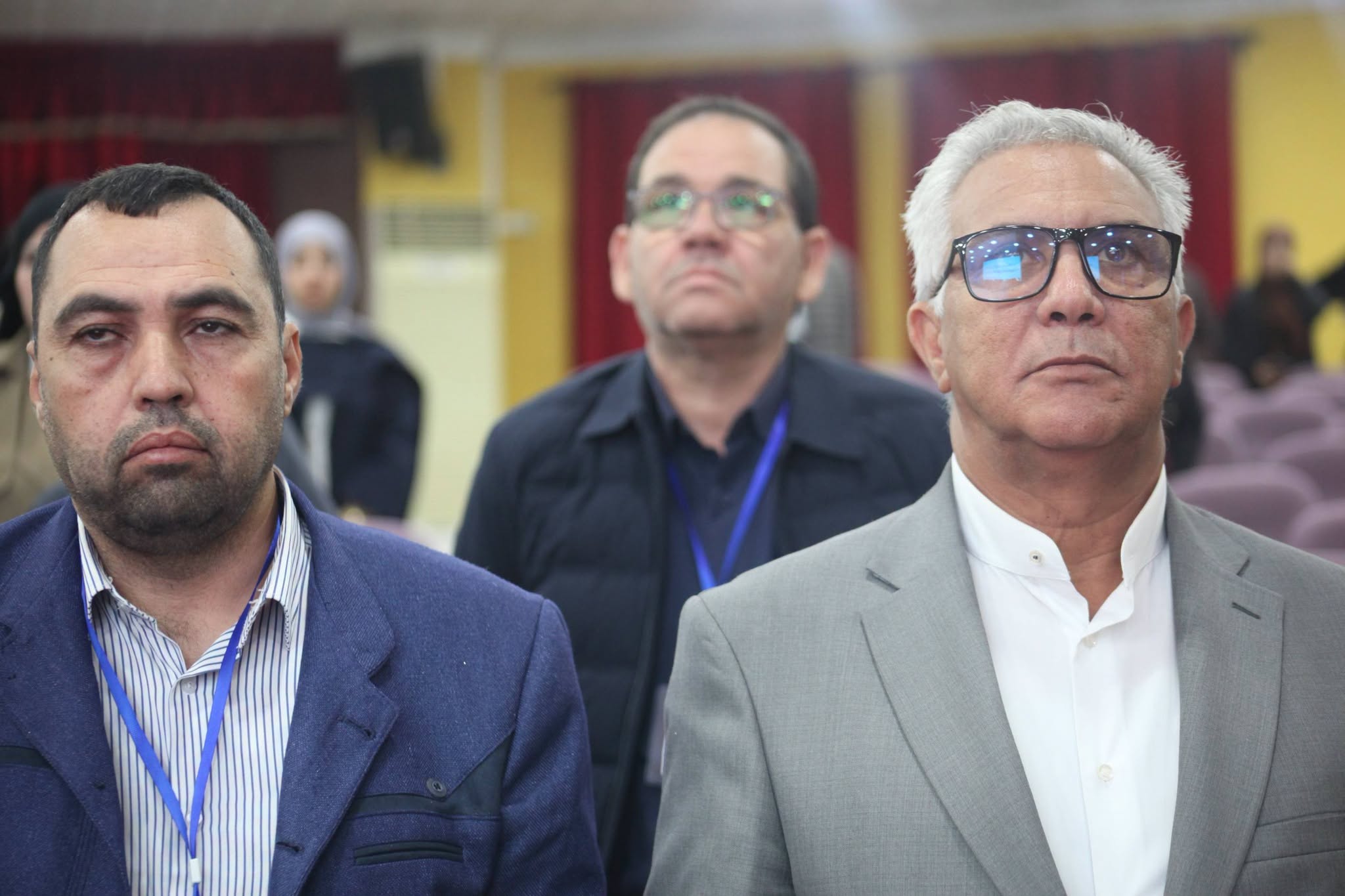
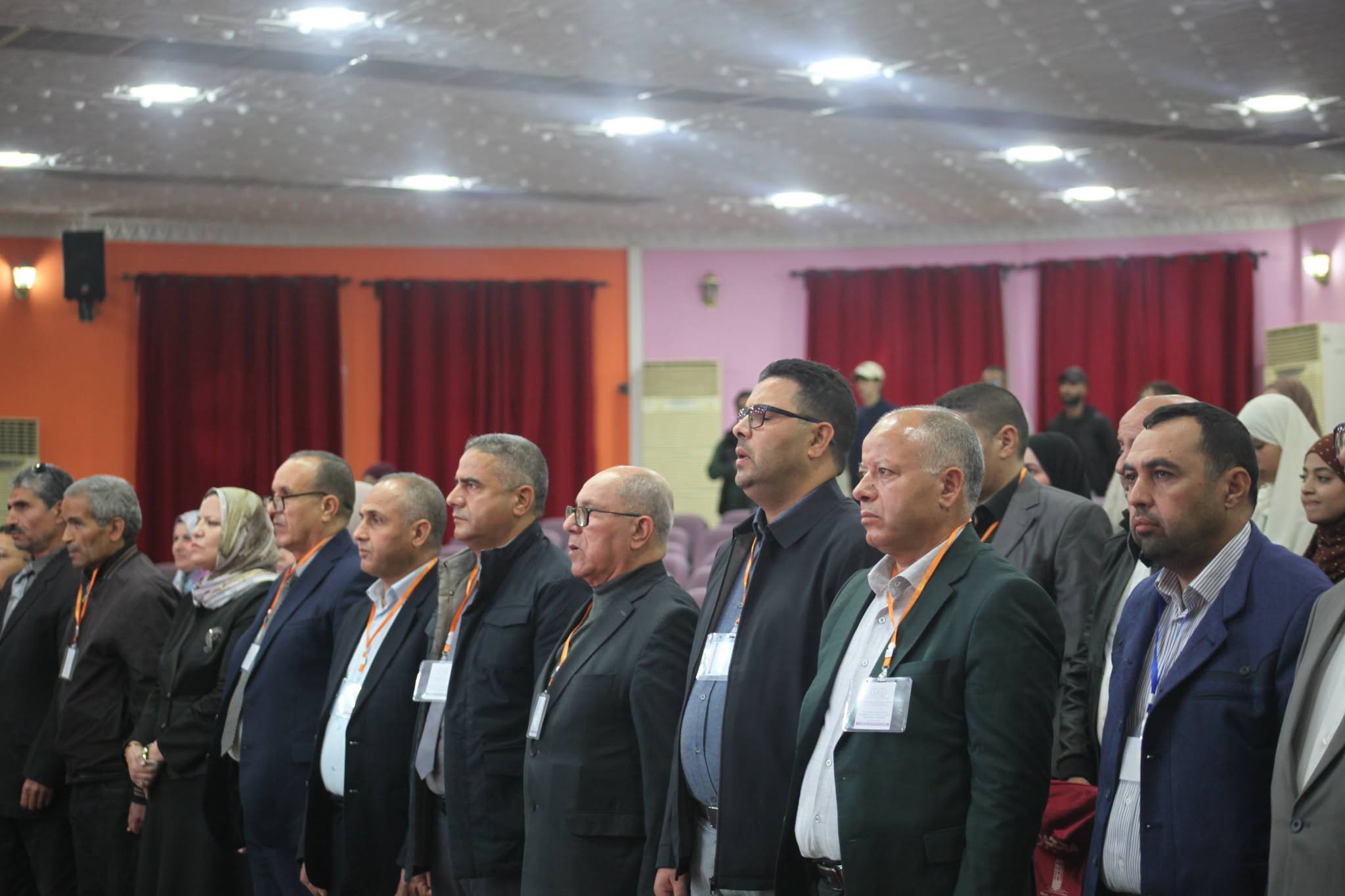
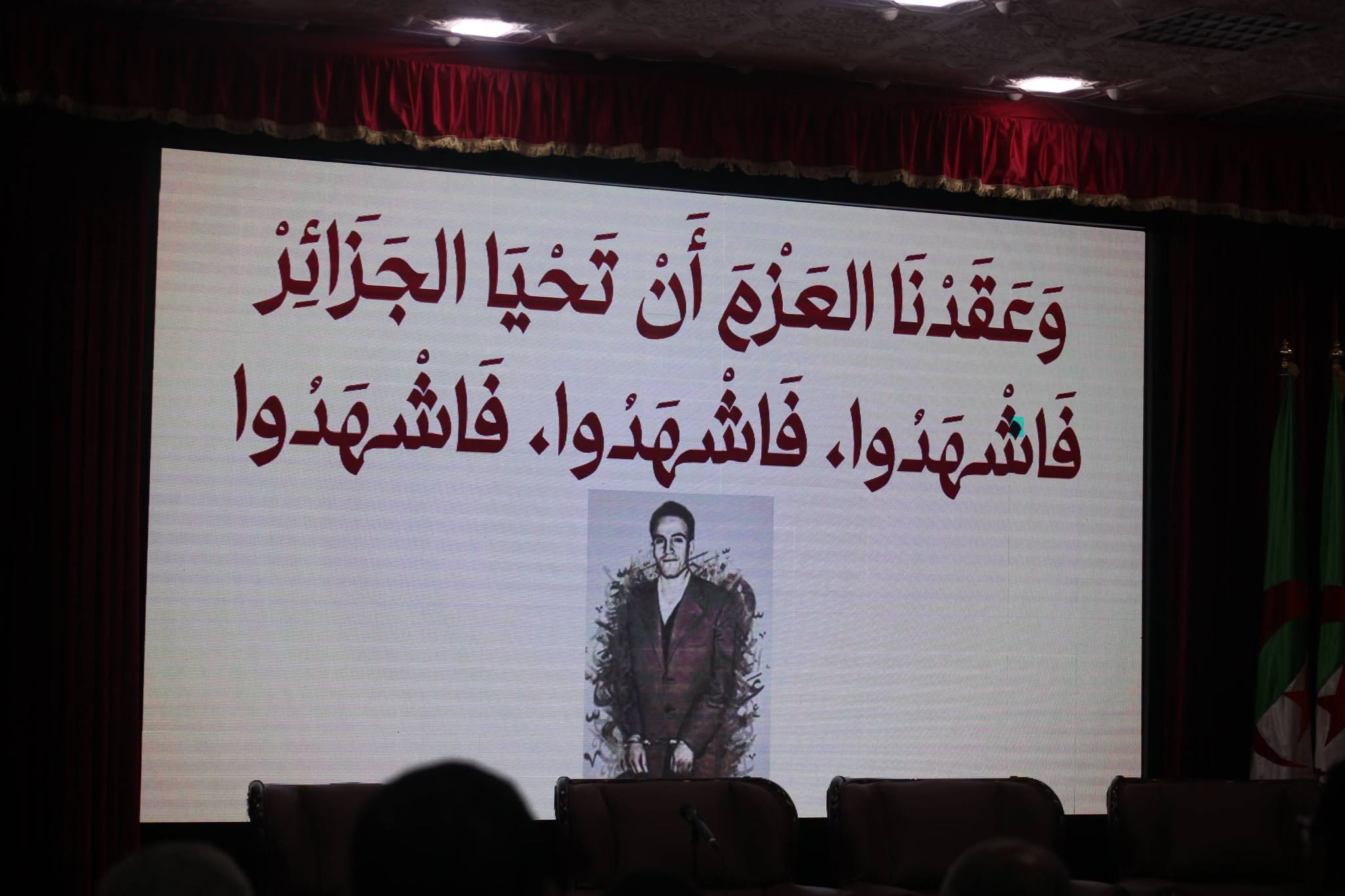
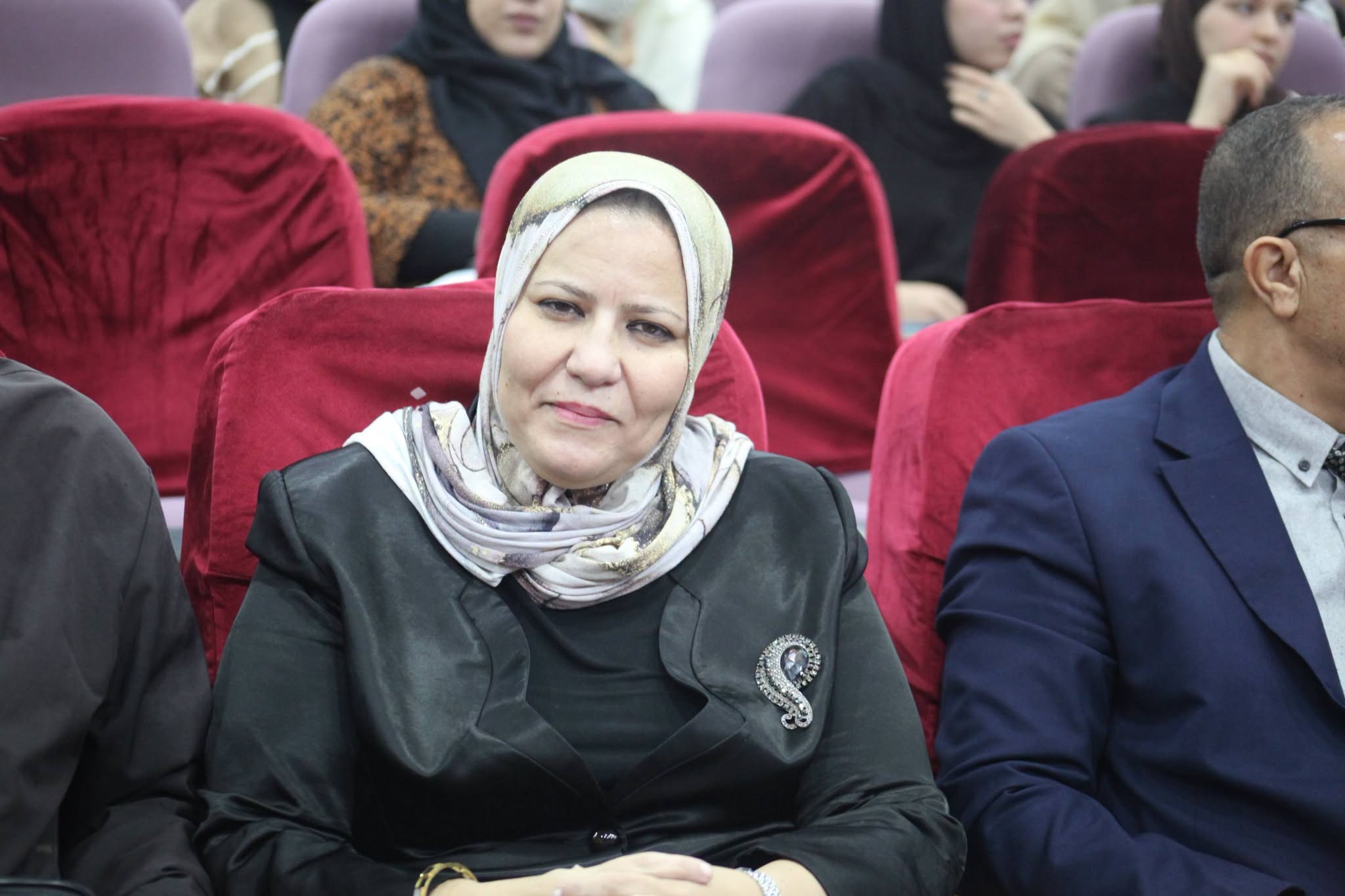
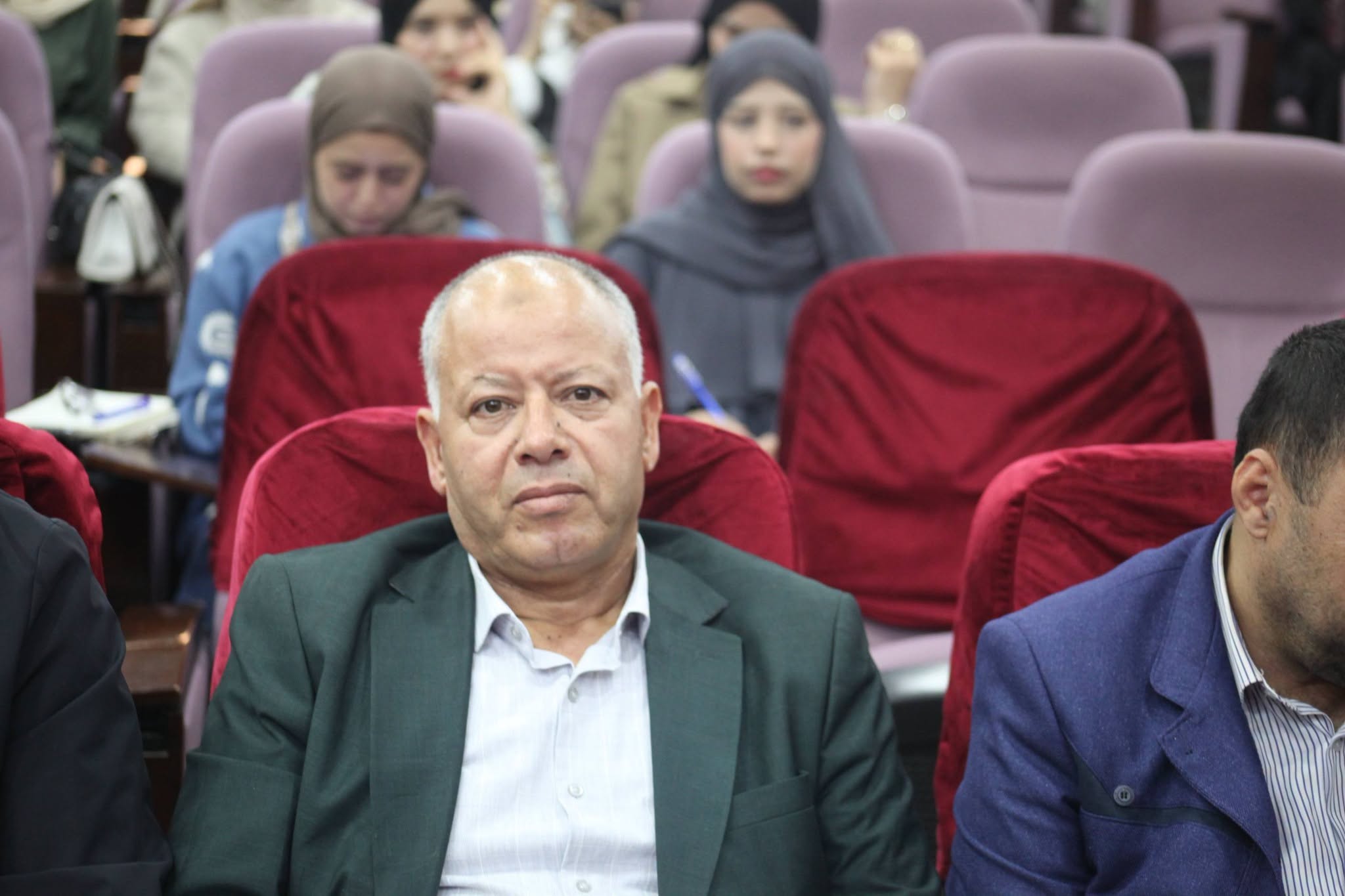
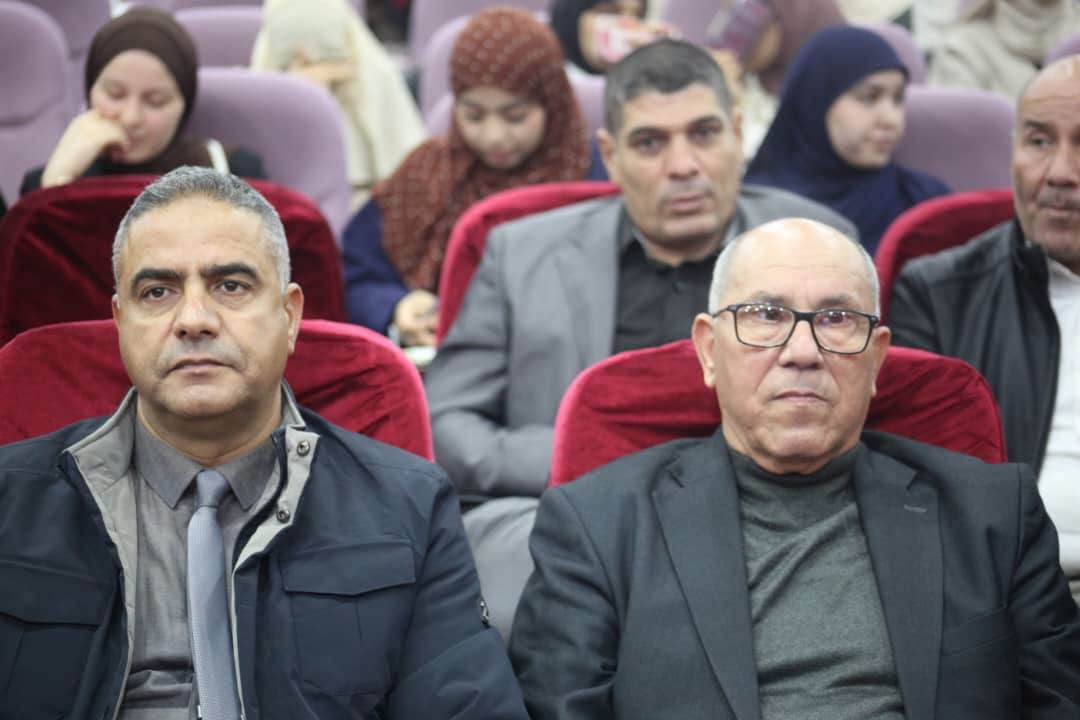
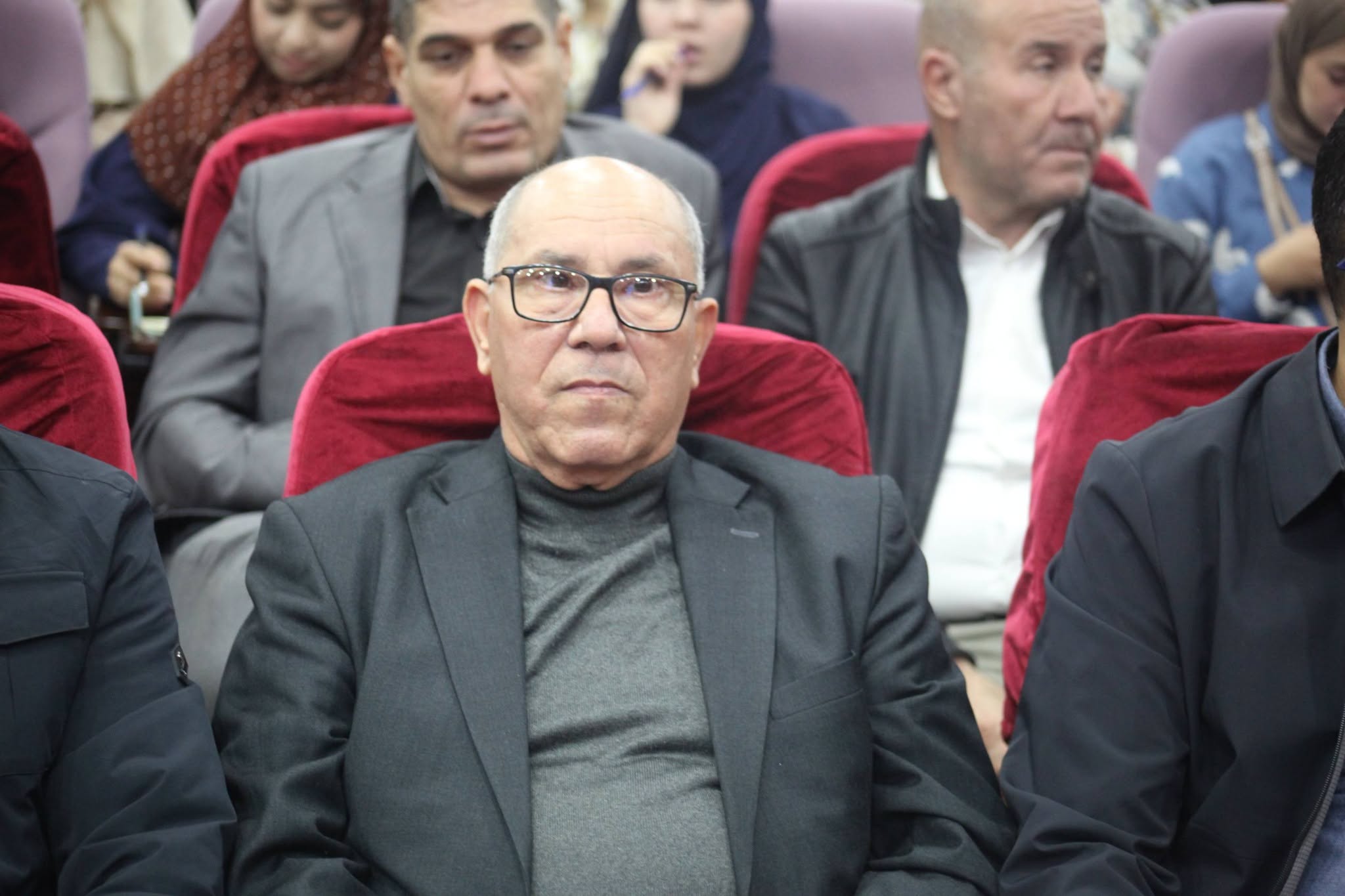
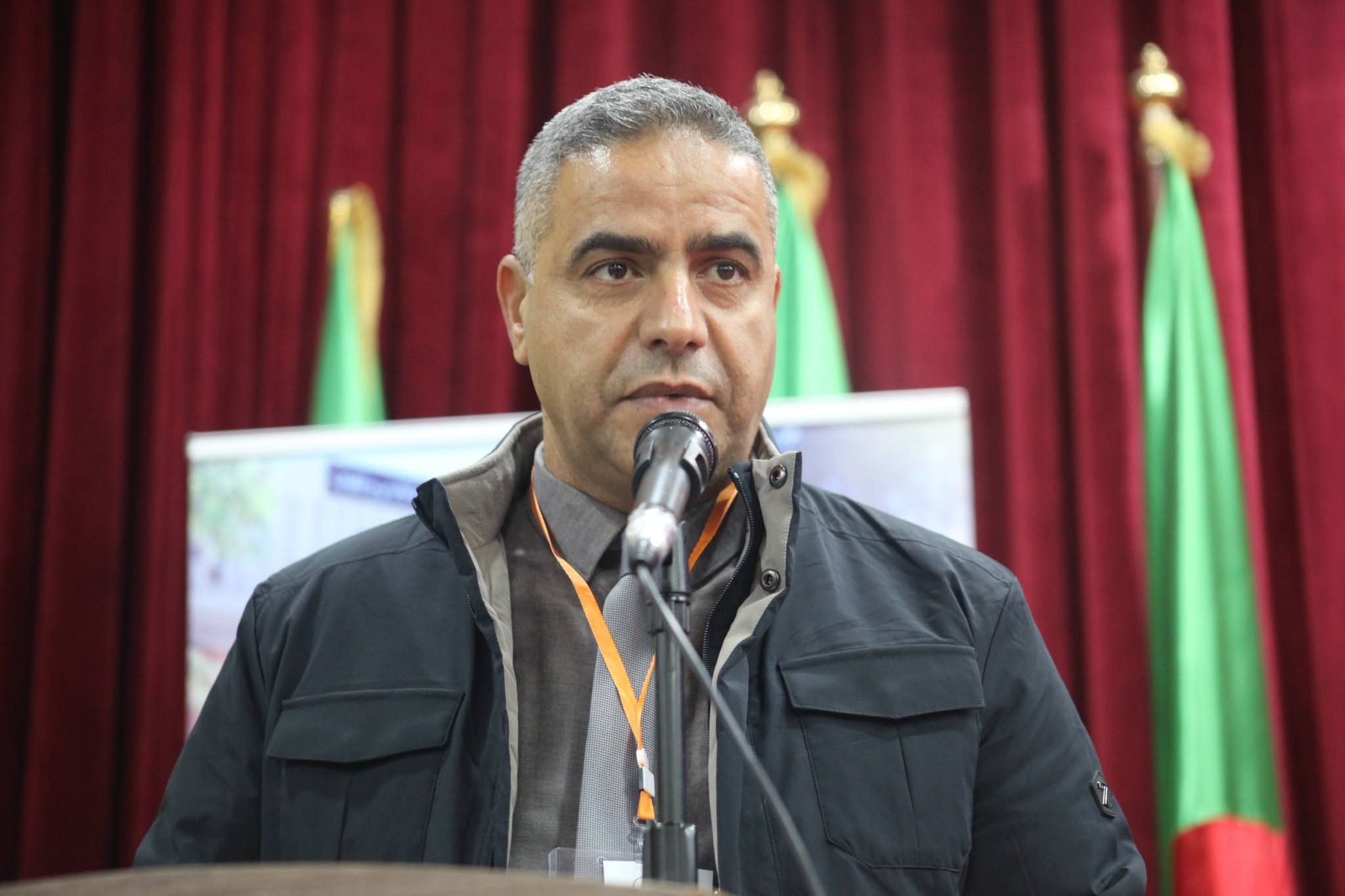
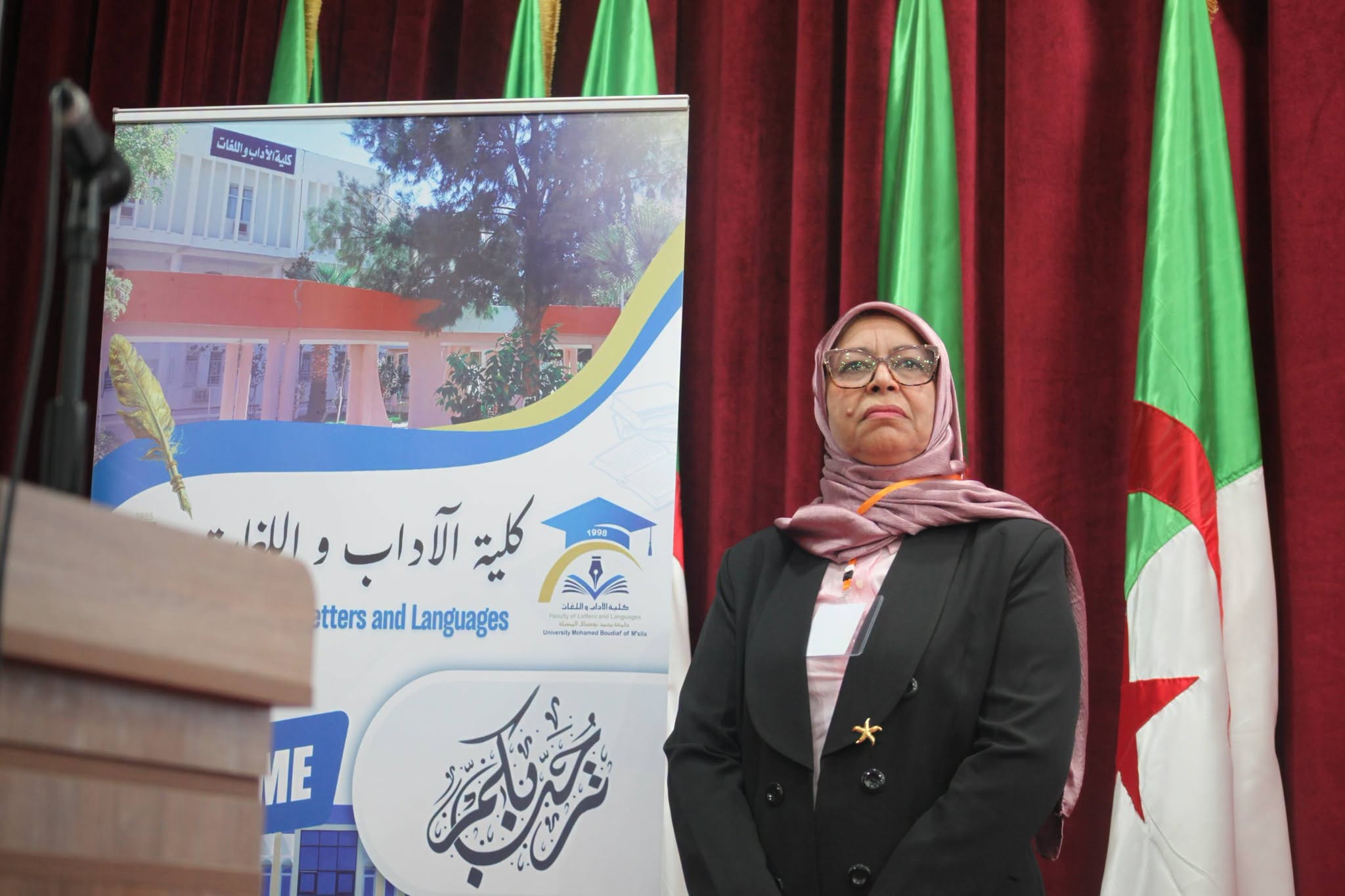
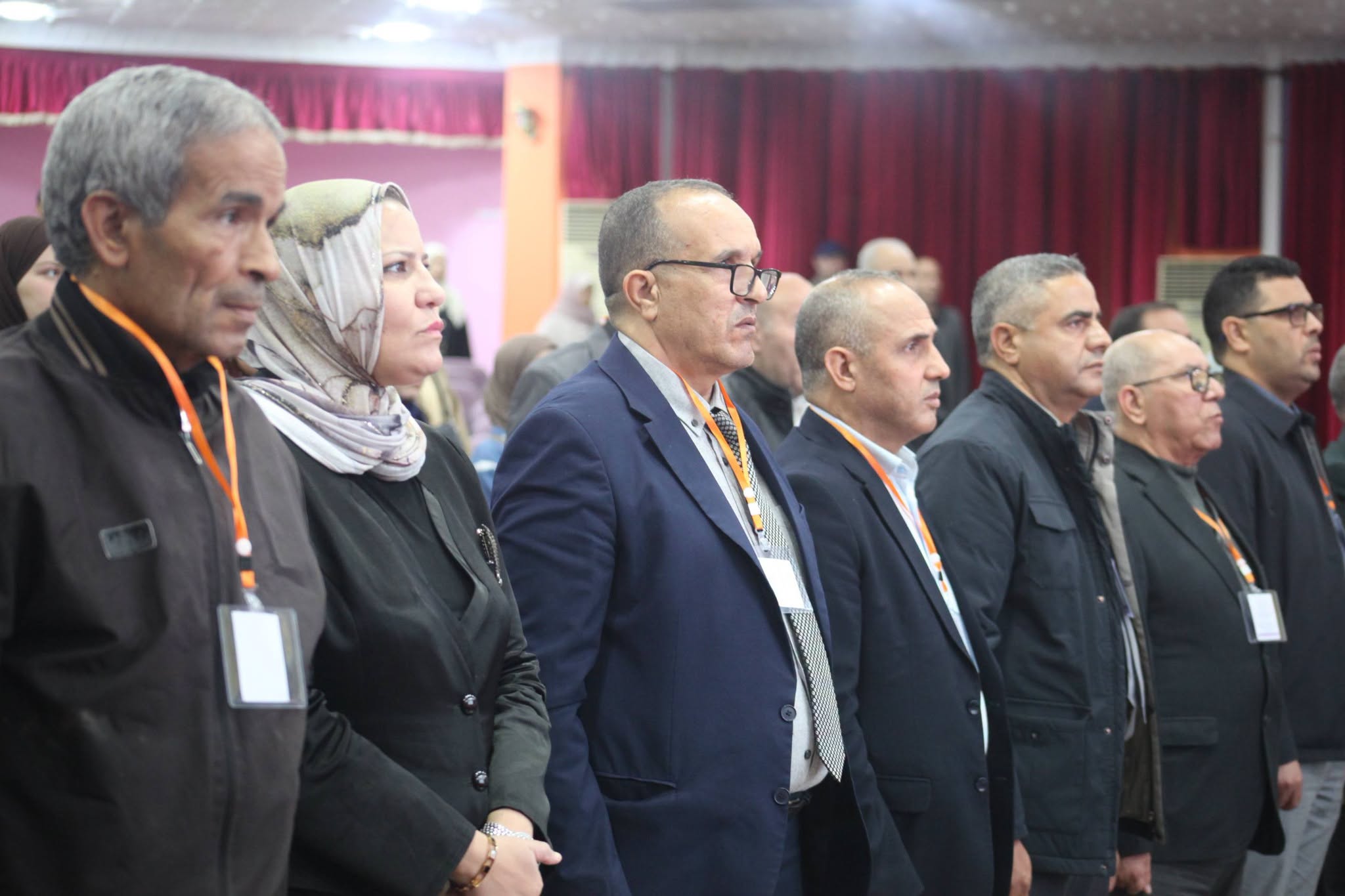
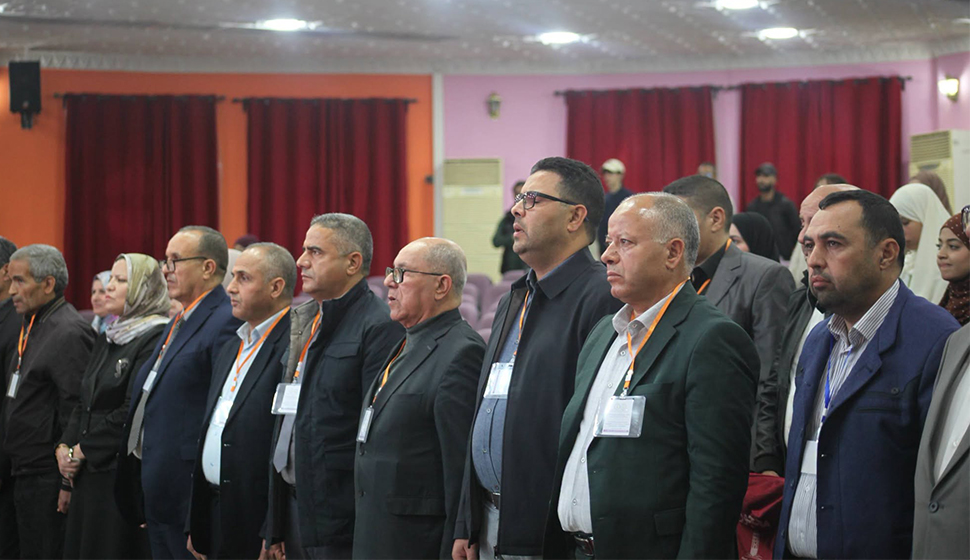
The “Abdelmadjid Alahem” lecture hall at Mohamed Boudiaf University in M’Sila hosted a national symposium today, Wednesday, titled “Professionalizing Educators and Improving Education in the Age of Artificial Intelligence.” The event was organized by the Faculty of Arts and Languages (Department of French) in coordination with the Laboratory for Theoretical and Applied Linguistic Studies, and was attended by a significant number of academic and administrative figures.
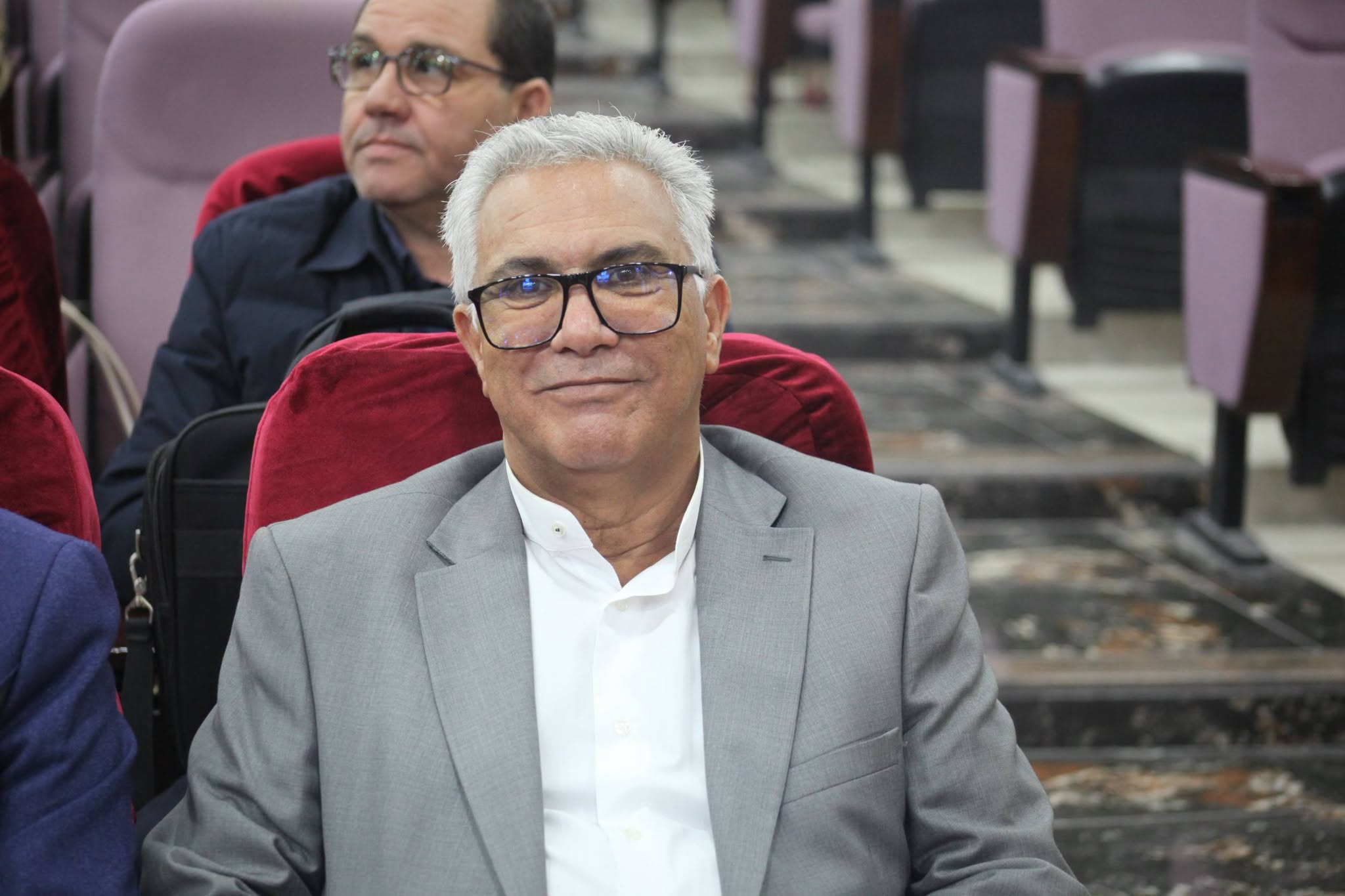
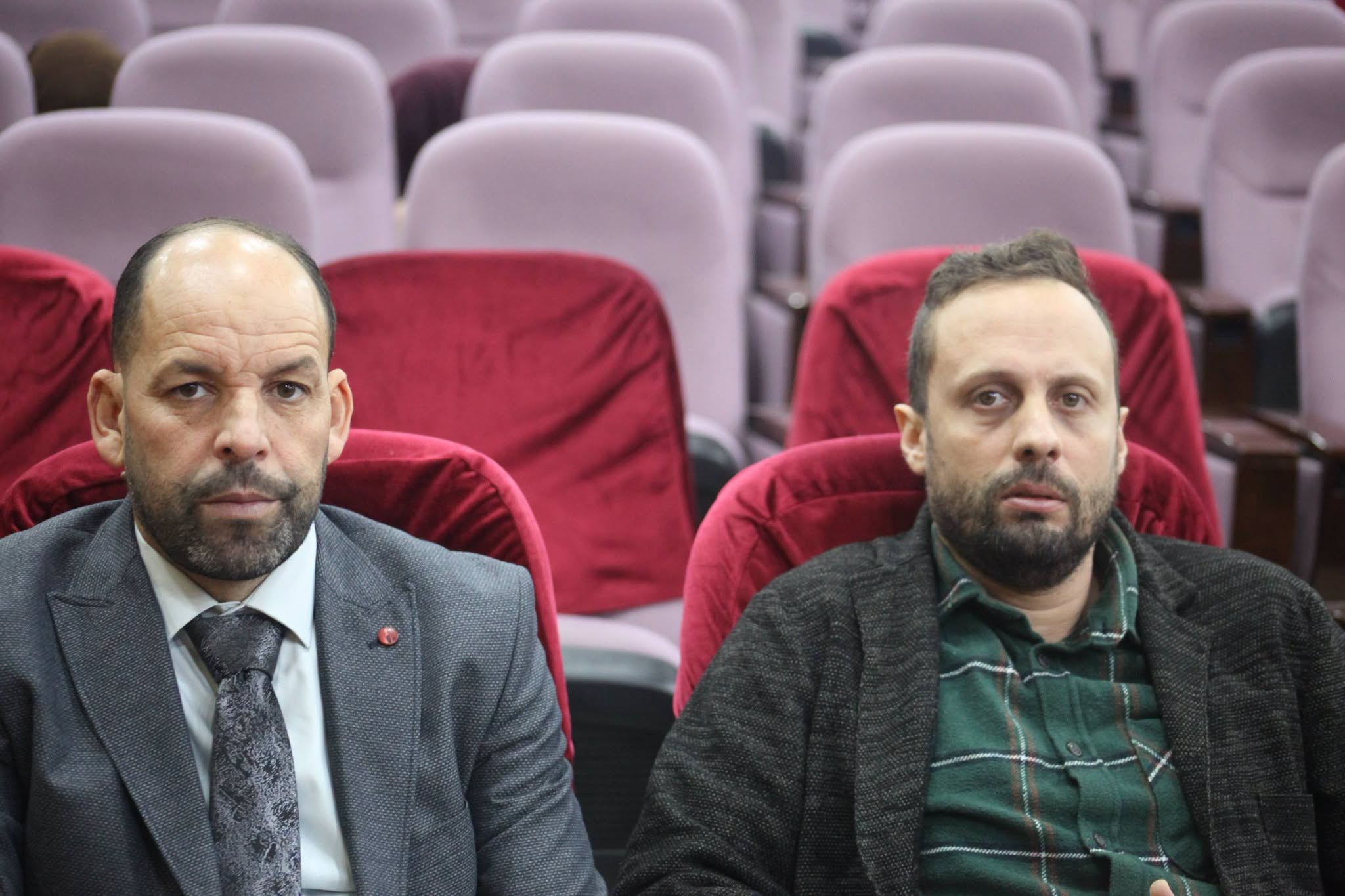
The scientific event was inaugurated by the University Rector, Professor Ammar Boudlaa, in the presence of the Vice-Rectors—Professor Mahmoud Hasbaya (in charge of Scientific Research) and Professor Salim Jerboui (in charge of External Relations)—as well as several faculty deans, including Lakhdar Henni (Faculty of Arts and Languages), Ibrahim Nouiri (Faculty of Mathematics and Computer Science), and Mohamed El-Aid Khetim (Faculty of Economic, Commercial, and Management Sciences). The symposium also drew a large audience of professors, researchers, and doctoral students from various Algerian and international universities.
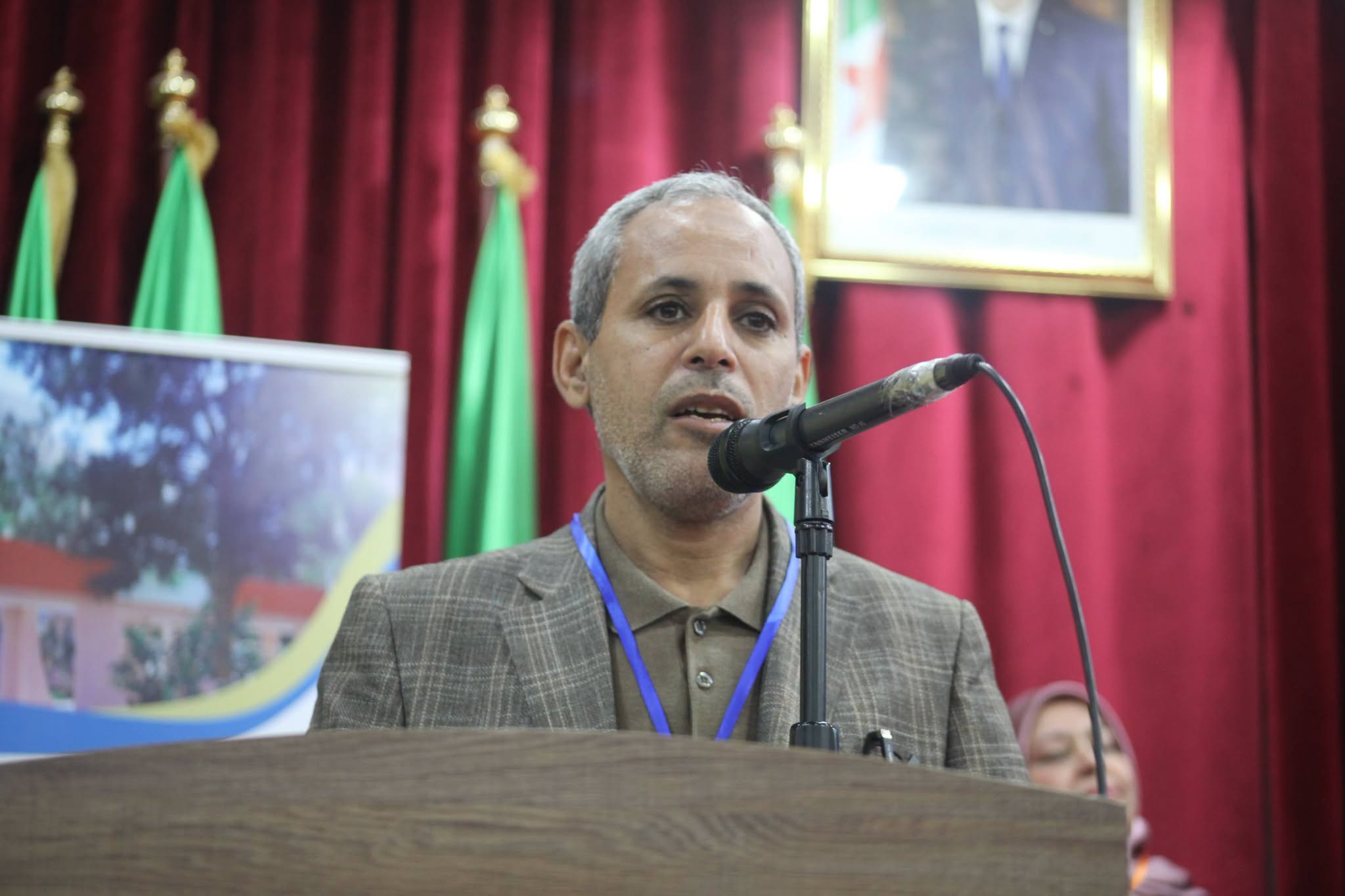
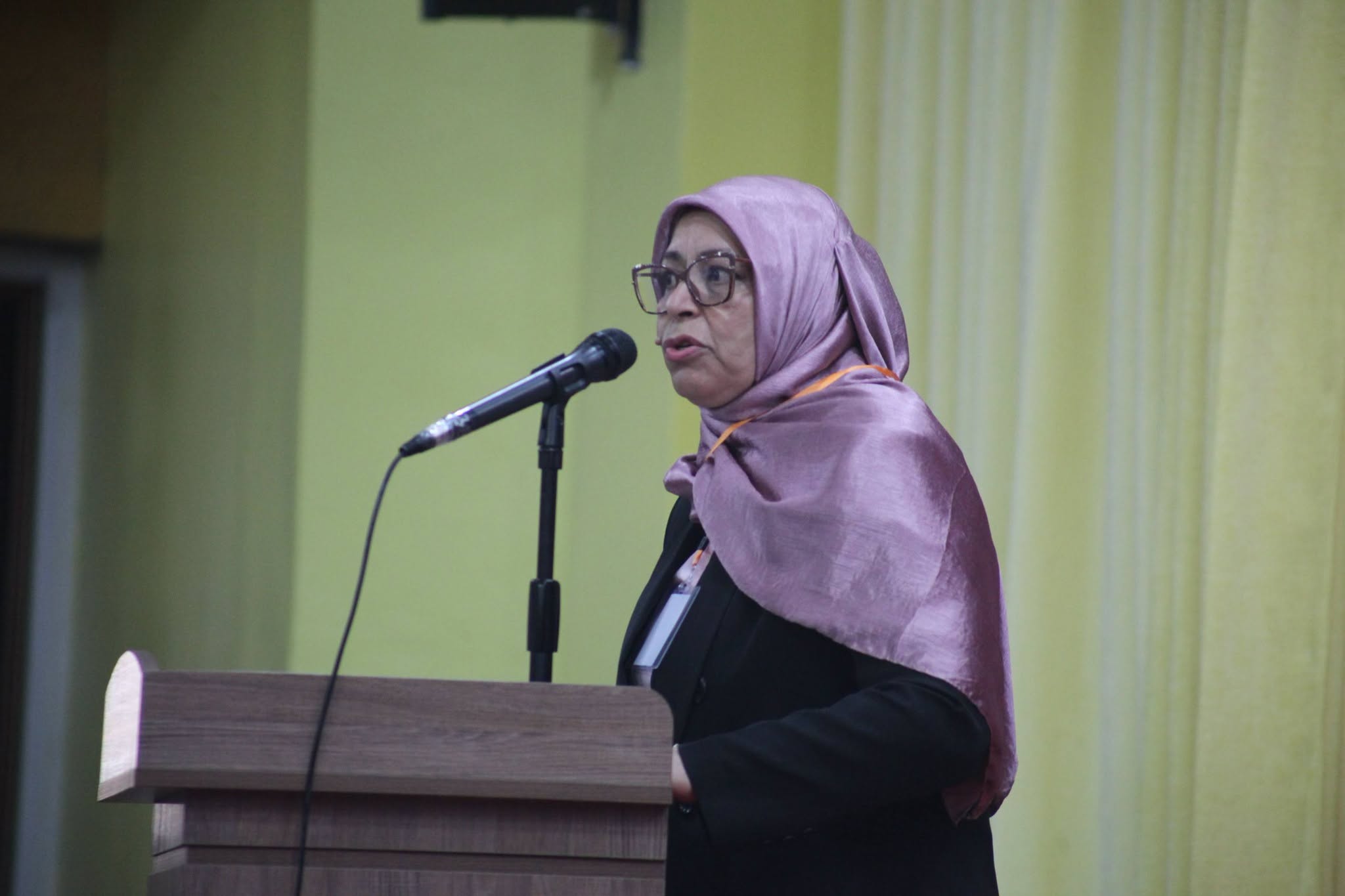
In her opening remarks, the symposium chair, Dr. Halima Ghallab, emphasized that this scientific gathering serves as a response to rapid technological shifts and the pressing challenges brought about by the digitalization of the higher education sector. It was highlighted that the core objective is to support university professors in integrating artificial intelligence tools into their pedagogical and research practices—efficiently and with ethical responsibility—while enhancing their teaching skills to improve the quality of academic outcomes.
For his part, the University Rector, Professor Ammar Boudlaa, emphasized in his address the strategic importance of the event’s theme. He noted that the University of M’Sila is making steady progress toward fostering a culture of digital transformation and adopting artificial intelligence as a cornerstone for modernizing the educational system. He also commended the collaborative academic initiatives that bridge the humanities, technology, and economics.
The symposium sessions featured a series of valuable scholarly presentations and in-depth discussions covering key topics, most notably:
* The challenges and opportunities of employing generative artificial intelligence in university teaching.
* Strategies for professionalization to develop professors’ pedagogical and linguistic competencies.
* The ethical and academic dimensions of using intelligent algorithms and modern technologies in scientific research.
The proceedings concluded with a session dedicated to recommendations, which underscored the necessity of organizing ongoing training workshops for faculty on intelligent applications and updating curricula to align with the digital age. Participants also praised the excellent organization and the high level of intellectual discourse that characterized the events at this academic institution.